Pink Hoya Plant - The Ultimate Guide to Growing and Caring for this Colorful Beauty
Are you looking for a plant that can add beauty and color to your home? Look no further than the Pink Hoya Plant! This stunning houseplant is known for its unique, trailing vines and its vibrant pink flowers. In this guide, we'll explore everything you need to know about growing and caring for your very own Pink Hoya Plant.
The Pink Hoya Plant, also known as the Wax Plant or Porcelain Flower, is a member of the Apocynaceae family. It's native to tropical regions of Asia, including India, Thailand, and China. The plant gets its name from the waxy texture of its leaves and flowers.
If you're looking for a low-maintenance houseplant that can add a pop of color to any room, the Pink Hoya Plant is an excellent choice. Here are some key things to keep in mind when growing and caring for your plant.
1. Choosing the Right Soil
The Pink Hoya Plant prefers well-draining soil that's rich in organic matter. You can use a standard potting mix or create your own by mixing equal parts peat moss, perlite, and vermiculite. Avoid using heavy soils that retain too much moisture, as this can lead to root rot.
When repotting your Pink Hoya Plant, choose a container that's only slightly larger than the current one. This will help prevent overwatering and keep the plant from becoming too top-heavy.
2. Providing Adequate Light
The Pink Hoya Plant thrives in bright, indirect light. Too much direct sunlight can scorch the leaves and cause them to turn yellow or brown. On the other hand, too little light can stunt growth and prevent flowering.
To provide the right amount of light, place your Pink Hoya Plant near a window that receives filtered sunlight. You can also use a grow light to supplement natural light if needed.
3. Watering and Humidity
The Pink Hoya Plant prefers moist soil, but too much water can be detrimental. Allow the top inch of soil to dry out between waterings, and be sure to empty any excess water from the saucer or pot tray.
In addition to proper watering, the Pink Hoya Plant thrives in high humidity. You can increase humidity levels by placing a humidifier near the plant, misting it with water, or placing a tray of pebbles filled with water beneath the pot.
4. Fertilizing Your Plant
To encourage growth and flowering, it's important to fertilize your Pink Hoya Plant regularly. Use a balanced fertilizer that's formulated for houseplants, and apply it every two weeks during the growing season (spring and summer).
During the dormant season (fall and winter), you can reduce fertilization to once a month or stop altogether.
5. Propagating Your Pink Hoya Plant
If you want to expand your collection of Pink Hoya Plants, propagating is an easy and cost-effective way to do so. The plant can be propagated through stem cuttings or by layering.
For stem cuttings, simply take a cutting that's at least 4 inches long and remove the bottom leaves. Dip the end in rooting hormone and plant it in moist soil. Keep the soil moist and wait for roots to form before transplanting.
For layering, choose a healthy stem and make a small cut on the bottom side. Dust the cut with rooting hormone and secure it to the soil with a U-shaped wire. Wait for roots to form before severing the stem from the parent plant.
6. Dealing with Pests and Diseases
Like all plants, the Pink Hoya Plant is susceptible to pests and diseases. Common problems include mealybugs, spider mites, and scale insects.
To prevent these pests from infesting your plant, keep a close eye on it and inspect it regularly for signs of infestation. If you do spot pests, treat the plant with an insecticidal soap or neem oil.
In addition to pests, the Pink Hoya Plant can also be prone to fungal diseases like root rot. To prevent these diseases, avoid overwatering, provide adequate drainage, and ensure proper air circulation around the plant.
7. Displaying Your Pink Hoya Plant
The Pink Hoya Plant is a versatile houseplant that can be displayed in a variety of ways. It looks great in hanging baskets, on shelves, or trailing down the sides of a pot.
For a truly unique display, consider training your Pink Hoya Plant to climb a trellis or other support structure. This will not only add visual interest to your space but also encourage the plant to grow and flower more prolifically.
8. Pink Hoya Plant Varieties
While the Pink Hoya Plant is already a stunning beauty on its own, there are several varieties to choose from that offer even more color and texture options.
One popular variety is the Hoya Kerrii, also known as the Sweetheart Plant. This variety features heart-shaped leaves and produces clusters of fragrant pink flowers.
Another variety is the Hoya Carnosa, which has variegated leaves and produces clusters of pink and white flowers.
9. Pink Hoya Plant Symbolism
In addition to being a beautiful houseplant, the Pink Hoya Plant also holds symbolic meaning in different cultures. In some Asian countries, the plant is believed to bring good luck and prosperity to the home.
In Victorian England, the Wax Plant was seen as a symbol of wealth and luxury, often used to decorate the homes of the wealthy.
10. Fun Facts About the Pink Hoya Plant
- The Pink Hoya Plant is a member of the milkweed family, which means its flowers produce a sweet nectar that attracts butterflies and other pollinators.
- In its native habitat, the Wax Plant can grow up to 20 feet long!
- The plant's scientific name, Hoya, honors Thomas Hoy, an English gardener who specialized in growing orchids and other plants in the 18th century.
The Pink Hoya Plant is a stunning addition to any home, with its colorful blooms and trailing vines. By following the tips and tricks outlined in this guide, you can grow and care for your very own Pink Hoya Plant with ease.
Whether you're a seasoned plant parent or just ing out, the Pink Hoya Plant is sure to impress with its unique beauty and symbolism.
Frequently Asked Questions
Q1. Is the Pink Hoya Plant easy to care for?
A1. Yes, the Pink Hoya Plant is relatively low-maintenance and easy to care for as long as you provide it with adequate light, water, and humidity.
Q2. How often should I water my Pink Hoya Plant?
A2. Allow the top inch of soil to dry out between waterings, and be sure to empty any excess water from the saucer or pot tray.
Q3. Can I propagate my Pink Hoya Plant?
A3. Yes, the Pink Hoya Plant can be propagated through stem cuttings or by layering.
Q4. What kind of fertilizer should I use on my Pink Hoya Plant?
A4. Use a balanced fertilizer that's formulated for houseplants, and apply it every two weeks during the growing season (spring and summer).
Q5. Does the Pink Hoya Plant have any symbolic meaning?
A5. Yes, in some Asian countries, the plant is believed to bring good luck and prosperity to the home.
Q6. How do I prevent pests and diseases on my Pink Hoya Plant?
A6. To prevent pests, keep a close eye on your plant and inspect it regularly for signs of infestation. If you do spot pests, treat the plant with an insecticidal soap or neem oil. To prevent fungal diseases, avoid overwatering, provide adequate drainage, and ensure proper air circulation around the plant.
Q7. Can the Pink Hoya Plant grow outdoors?
A7. The Pink Hoya Plant is a tropical plant and is best grown indoors in most climates.
Q8. How long does it take for the Pink Hoya Plant to flower?
A8. The Pink Hoya Plant typically flowers in the spring and summer, but the exact timing can vary depending on the plant's growing conditions.
Q9. Does the Pink Hoya Plant have any medicinal properties?
A9. While the Pink Hoya Plant has been used in traditional medicine in some cultures, there is no scientific evidence to support its use for medicinal purposes.
Q10. Can I train my Pink Hoya Plant to climb a trellis or other support structure?
A10. Yes! Training your Pink Hoya Plant to climb a trellis or other support structure can add visual interest to your space and encourage the plant to grow and flower more prolifically.
11 Pink hoya plant Images

Pin On Botanical With Character

Hoya Wax Plant Variegated Tricolor Krimson Queen Outside Variegation

Hoya Imperialis Pink Bloom Pink Flowers

Extremly Rare Lisa Wax Plant Hoya Australis Lisa Image 2 In 2020

Hoya Carnosa Tricolor Tropische Zimmerpflanzen Hngepflanzen

Hoya Plant Care Growing The Fragrant Canosa Wax Flower In 2020 Hoya

Hoya Erythrostemma Pink Hoya Plants Bloom Flowers

Rare Variegated Hoya Compacta Hindu Rope Rooted LIVE Plant 4 Hoya
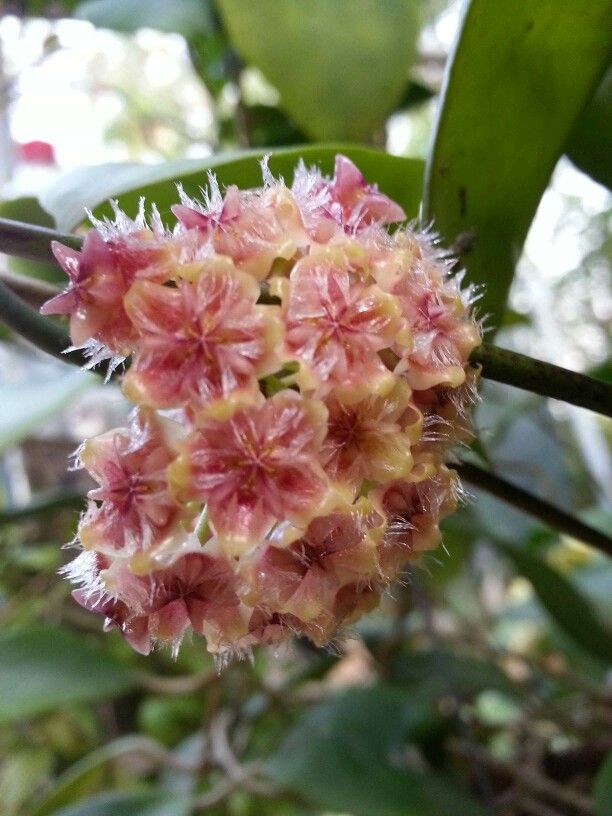
448 Best Hoya Images On Pinterest Succulents Hoya Plants And Wax Flowers

Hoya Dasyantha Pink Hoya Plants Flower Names Plants

Pin On Girls I Need
Post a Comment for "Pink Hoya Plant - The Ultimate Guide to Growing and Caring for this Colorful Beauty"